Your Japan winter packing list
Tick it off as you pack. The button prints just the list, two columns on one page.
Documents and money
- Passport, plus a visa if your passport needs one (see below)
- Return or onward ticket, and your hotel bookings
- Visit Japan Web QR codes, saved on your phone (optional)
- Travel insurance details
- Bank card that works abroad, plus cash in yen
- Coin purse for all the coins you'll collect
Warm layers
- Thermal base layers, top and bottom
- Warm coat, ideally down or padded
- Two or three jumpers or fleeces to layer
- Trousers or jeans, plus a pair of thermal leggings
- Scarf, gloves and a warm hat
- Warm socks without holes, for the places where you take your shoes off
Shoes
- Waterproof boots with grip, for snow in the north and the mountains
- Comfortable walking shoes that slip on and off easily
- Slippers or warm indoor socks
Toiletries and health
- Moisturiser and lip balm for the dry winter air
- Hand cream
- Your medicines, in their original packaging (check the rules)
- Travel-size toiletries
- Small hand towel or handkerchief
- Hand warmers (or buy them there)
Tech
- Plug adapter (Japan uses type A)
- Phone and charger
- Power bank, in your hand luggage
- An eSIM or pocket Wi-Fi for maps and train times
Bags and extras
- Day bag or small backpack
- Foldable shopping bag
- Small bag for your rubbish while you're out
- Reusable water bottle
- Umbrella or a packable rain jacket
- Space in your suitcase for what you'll buy
Japan winter packing list · stamppath.com/blog/japan-winter-packing-list/
How cold is Japan in winter?
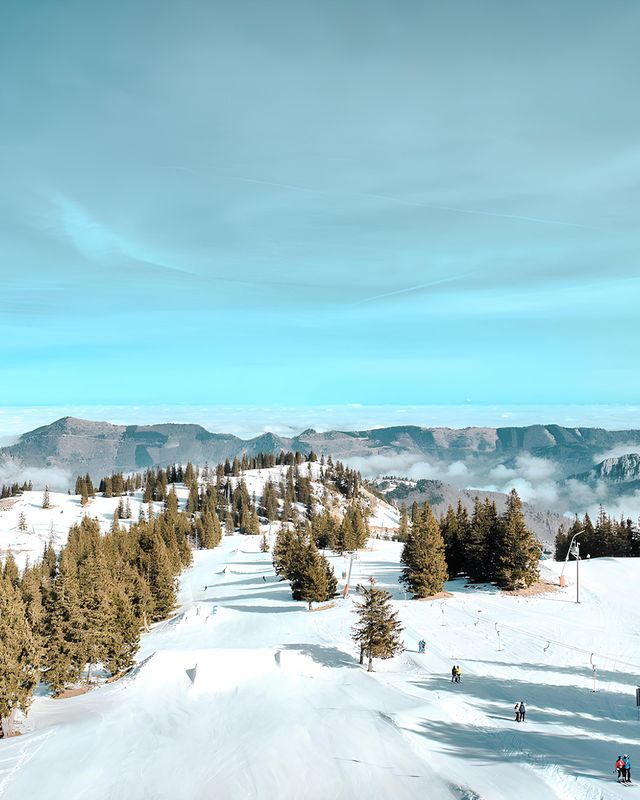
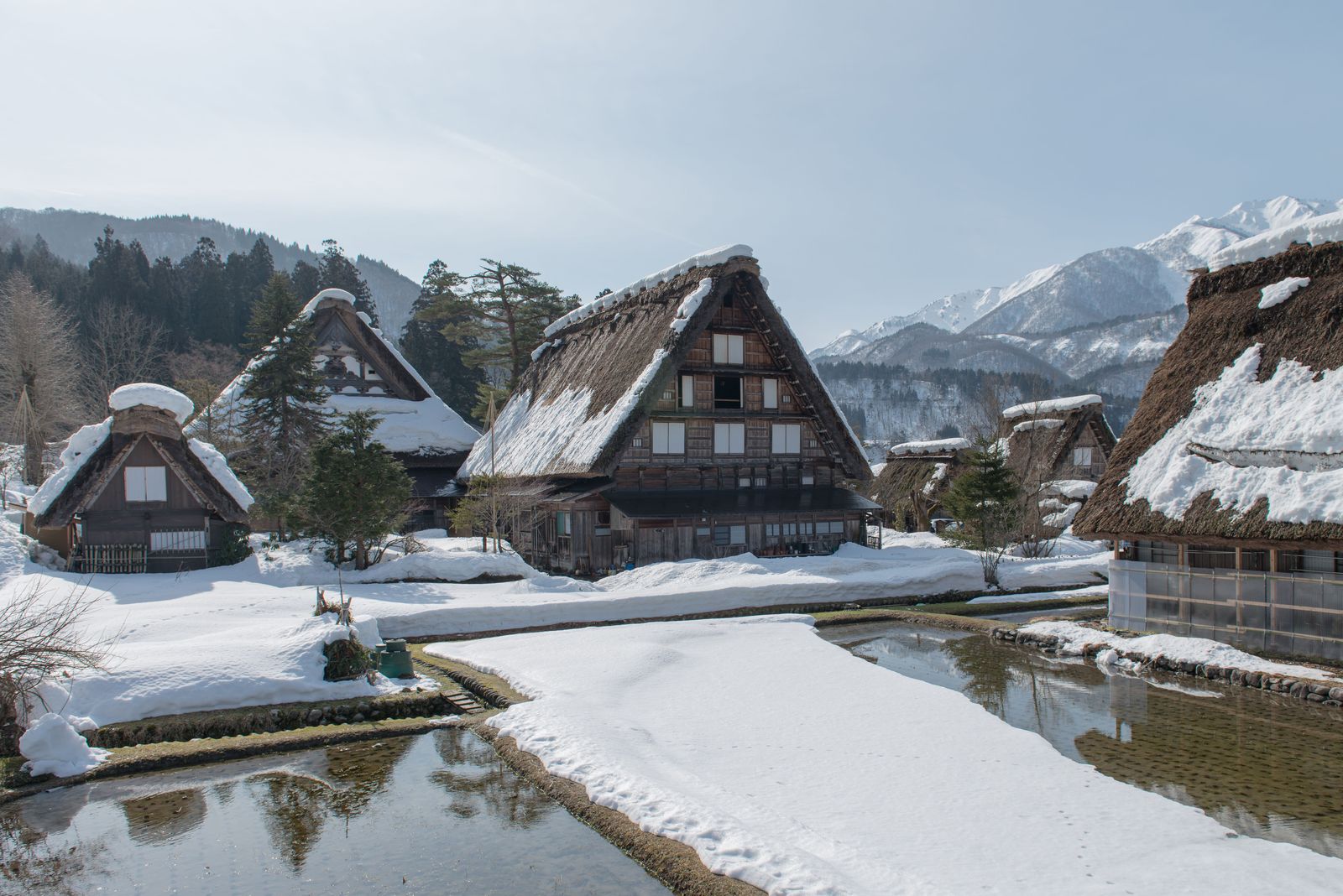
It depends a lot on where you go. Tokyo, Kyoto and Osaka have cold but mostly dry winters, around 10 °C on a January afternoon and just above freezing at night. Up north and in the mountains it's a different story: Sapporo and the Niseko area average just below freezing even in the afternoon, Hakuba in Nagano only just above it, and they all get metres of snow over the season. These are the long-term January averages from the Japan Meteorological Agency:
| Place | Day (average high) | Night (average low) |
|---|---|---|
| Tokyo | 9.8 °C | 1.2 °C |
| Kyoto | 9.1 °C | 1.5 °C |
| Osaka | 9.7 °C | 3.0 °C |
| Sapporo | −0.4 °C | −6.4 °C |
| Kutchan (next to Niseko) | −2.0 °C | −9.6 °C |
| Hakuba (village) | 1.4 °C | −7.2 °C |
The Kutchan and Hakuba stations are in the valley, so the ski slopes above them are colder still. December and February are a little milder in the cities, but not by much.
What should you wear in Japan in winter?
Layers, because you'll go from cold streets into warm trains, shops and restaurants all day long. A thermal base layer, a jumper and a warm coat you can take off easily work better than one very thick layer. For Tokyo, Kyoto and Osaka that's usually enough, with a scarf, gloves and comfortable shoes. If you're heading to Hokkaido or the Japanese Alps, add waterproof boots with real grip, thermal leggings and a proper hat, because the snow and ice don't let up.
Shoes that slip on and off easily save you a lot of fiddling in temples and traditional inns, and warm socks matter more than you'd think on cold wooden floors.
Do you need a visa for Japan?
Not if your passport is on Japan's visa exemption list, which covers 74 countries and regions. Most of them, including the US, the UK, Canada, Australia, New Zealand, Mexico and every EU country, get 90 days for tourism. A few get less: Brunei and Qatar 30 days, Indonesia and Thailand 15 days.
- Up to 6 months: citizens of the UK, Germany, Austria, Ireland, Switzerland, Liechtenstein and Mexico get 90 days on arrival, and can apply to Japan's immigration offices to extend their stay to 6 months.
- ePassport needed: Brazil, Peru, Paraguay, Panama, the UAE, Serbia, Montenegro and Thailand are visa-free only with a chip passport (ePassport). Citizens of Indonesia and Qatar need to register their ePassport with a Japanese embassy or consulate first.
- A visa: everyone else, including citizens of India and China. Residents of India, and Chinese citizens living in China, can apply for Japan's eVISA through an accredited travel agency.
Japan's law also says visitors must carry their passport at all times, and show it if the police or an immigration officer asks. Children under 16 are exempt. JESTA, Japan's planned online travel authorisation, is now law but not running yet, so it won't affect a trip this winter. The government aims to start it in the 2028 financial year, and no later than 31 March 2029.
Your passport: visa-free or visa?
Our visa checker covers 60 passports for trips to Japan. Find yours below: each link opens the full rules for that passport, with the date we last checked them.
Visa-free (27)
Up to 90 days for tourism. Brazil and Peru need an ePassport.
Visa-free after registering your ePassport (2)
Register with a Japanese embassy or consulate before you go: 15 days for Indonesia, 30 days for Qatar.
Need a visa (31)
Some can apply online for Japan's eVISA; others at a Japanese embassy or consulate.
- 🇨🇳 China
- 🇮🇳 India
- 🇲🇳 Mongolia
- 🇸🇦 Saudi Arabia
- 🇿🇦 South Africa
- 🇩🇿 Algeria
- 🇧🇭 Bahrain
- 🇧🇩 Bangladesh
- 🇨🇴 Colombia
- 🇨🇺 Cuba
- 🇪🇬 Egypt
- 🇪🇹 Ethiopia
- 🇬🇭 Ghana
- 🇮🇷 Iran
- 🇯🇴 Jordan
- 🇰🇪 Kenya
- 🇰🇼 Kuwait
- 🇱🇧 Lebanon
- 🇲🇦 Morocco
- 🇳🇵 Nepal
- 🇳🇬 Nigeria
- 🇴🇲 Oman
- 🇵🇰 Pakistan
- 🇵🇭 Philippines
- 🇷🇺 Russia
- 🇸🇳 Senegal
- 🇱🇰 Sri Lanka
- 🇹🇿 Tanzania
- 🇺🇬 Uganda
- 🇺🇦 Ukraine
- 🇻🇳 Vietnam
Do you need Visit Japan Web?
No, it's optional, but it's handy. Visit Japan Web is the government's free online service for your immigration and customs details: you fill them in before you fly and show a QR code on your phone when you land. Japan Customs recommends it, although the paper customs form still works. The Digital Agency, which runs it, warns that it never asks for a fee, so ignore any site that wants payment.
How does tax-free shopping work now?
It changed on 1 November 2026. You now pay the full price, tax included, in the shop, and get the tax back when you leave Japan:
- Spend at least ¥5,000 (before tax) in one shop on one day, and show your passport.
- Within 90 days of buying, take everything to the tax-free kiosk at the airport or port before you check in your bags. Once your suitcase is checked in, you can't get it back for the customs check.
- If customs wants to see the goods, you show them. Keep every item from a receipt: if even one is missing, nothing on that receipt is refunded.
- The shop or its refund company pays you back, by bank transfer, card, app or cash. Ask each shop how it pays.
At Narita, Haneda, Kansai, Chubu Centrair, Fukuoka, New Chitose and Naha airports you can also do the customs step online through Visit Japan Web. Food, drinks and cosmetics you use up in Japan don't get a refund.
The departure tax went up too. The International Tourist Tax is now ¥3,000 per person each time you leave Japan, if your ticket was issued after 30 June 2026. Airlines and cruise lines usually add it to the ticket price, and children under 2 don't pay it.
Can you bring your medicines to Japan?
Yes, within limits. Japan's Ministry of Health says you can bring up to a month's supply of prescription medicines and up to two months' supply of most over-the-counter medicines without any paperwork. For more than that, apply online for an Import Confirmation before you travel.
Some common medicines are controlled in Japan. Cold and allergy medicines with more than 10% pseudoephedrine, and medicines with more than 1% codeine, need permission before you travel: apply at least 14 days ahead. Amphetamine medicines such as Adderall can't be brought into Japan at all, even with a prescription. If you're not sure, check the Narcotics Control Department's page before you pack.
What plugs does Japan use?
Type A, the two flat pins also used in the US and Canada, at 100 volts. Most phone and laptop chargers handle anything from 100 to 240 volts, so they just need a plug adapter. For hair dryers and straighteners, check the label: they may need a step-down converter. The frequency is 50 Hz in the east and 60 Hz in the west, including Nagoya, Kyoto and Osaka.
Planning the rest of your trip
Once your bag's sorted, I'd look at these next. They're paid links: if you book through them, I earn a small commission at no extra cost to you.
-
Mobile data from the moment you land
Maps and train times are much easier with data on your phone.
-
Flights to Japan
Compare prices across airlines before you book.
-
Tours and day trips
Snow festivals, day trips and food tours, bookable ahead.
AdKlook
Pack layers, keep your passport on you and leave room in your suitcase. Safe travels!
Questions people ask
What should I pack for Japan in winter?
Layers you can take off indoors: thermal base layers, a warm coat, jumpers, a scarf, gloves and a hat, plus comfortable shoes that slip on and off. For Hokkaido or the mountains, add waterproof boots with grip. Don't forget a type A plug adapter and your passport, which you have to carry at all times.
How cold is Tokyo in January?
The Japan Meteorological Agency's long-term average is 9.8 °C by day and 1.2 °C at night. Sapporo averages just below freezing even by day, at −0.4 °C, and −6.4 °C at night.
Do I need a visa for Japan?
Not for up to 90 days of tourism (a few get less) if your passport is on Japan's visa exemption list of 74 countries and regions, which includes the US, the UK, Canada, Australia, New Zealand, Mexico and every EU country. Citizens of India and China need a visa. Check your passport's rules.
Is Visit Japan Web required?
No, it's optional. It lets you fill in your immigration and customs details online and show a QR code on arrival. Japan Customs recommends it, but the paper customs form still works.
How does tax-free shopping in Japan work now?
Since 1 November 2026 you pay the full price including tax, then get the tax back at the airport or port after a customs check, within 90 days of buying and before you check in your bags. The shop or its refund company pays you.
How much is Japan's departure tax?
¥3,000 per person since 1 July 2026 (¥1,000 if your ticket was issued on or before 30 June 2026). It's usually included in the ticket price, and children under 2 don't pay it.
Can I bring cold medicine to Japan?
Up to two months' supply of most over-the-counter medicines is fine, but medicines with more than 10% pseudoephedrine need permission before you travel. Amphetamine medicines such as Adderall are banned even with a prescription.
Sources
- Ministry of Foreign Affairs of Japan: exemption of visa (short-term stay)
- Ministry of Foreign Affairs of Japan: JAPAN eVISA
- Immigration Services Agency: the 2026 amendment law, including JESTA (in Japanese)
- Immigration Services Agency: JESTA target of the 2028 financial year (PDF)
- Immigration Control Act, Articles 23 and 76: carrying your passport (e-Gov, in Japanese)
- Digital Agency: Visit Japan Web
- Japan Customs: electronic customs declaration
- Japan Tourism Agency: tax-free shopping, the refund method from 1 November 2026
- Japan Customs: tax refund procedure at airports and ports (in Japanese)
- National Tax Agency: International Tourist Tax
- Ministry of Health, Labour and Welfare: bringing medicines for personal use into Japan
- MHLW Narcotics Control Department: bringing controlled medicines into Japan
- MHLW Narcotics Control Department: list of controlled substances, with the 10% pseudoephedrine and 1% codeine limits (PDF)
- JNTO: plugs and electricity
- Japan Meteorological Agency: climate normals 1991–2020, Tokyo (in Japanese)
- Japan Meteorological Agency: climate normals 1991–2020, Kyoto (in Japanese)
- Japan Meteorological Agency: climate normals 1991–2020, Osaka (in Japanese)
- Japan Meteorological Agency: climate normals 1991–2020, Sapporo (in Japanese)
- Japan Meteorological Agency: climate normals 1991–2020, Kutchan (in Japanese)
- Japan Meteorological Agency: climate normals 1991–2020, Hakuba (in Japanese)
We checked these facts against the sources above on 1 Nov 2026. Rules change, so we'll check them again by 15 Jan 2027. Spotted something out of date? Write to stamppath@outlook.com.